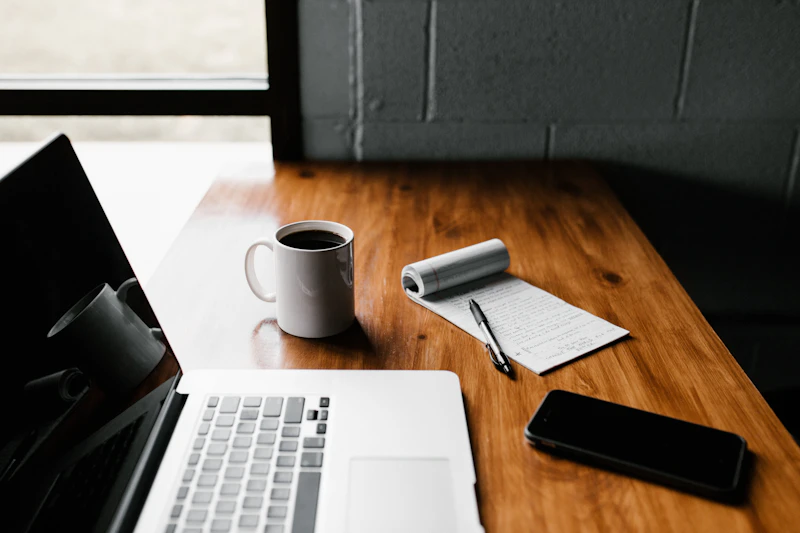
The Quiet Power of Analog Hobbies in a Digital Workspace
In an era defined by constant notifications, flickering screens, and the relentless pull of the cloud, many professionals feel a growing sense of exhaustion. We spend our days navigating virtual environments, managing infinite tabs, and responding to messages that never seem to stop. Amidst this high-speed routine, finding a sense of balance has become a professional necessity rather than a luxury. This is where the quiet influence of analog hobbies offers a vital counterweight to our hyper-digital workspace.
Engaging with physical materials, tactile processes, and offline projects does more than just fill our leisure time. It fundamentally changes how our brains recover from the stress of digital labor. By stepping away from the glow of the monitor to focus on something tangible, we reclaim a portion of our cognitive bandwidth that is often drained by the demands of modern office work.
The neurological benefits of tactile engagement
When we work on digital devices, our interactions are mediated by abstraction. We click buttons to move files, type on glass or plastic keys to communicate, and interpret data that exists only as light on a screen. This abstraction creates a specific type of mental fatigue because the brain is constantly processing symbolic information rather than physical reality.
Moving from abstraction to physical feedback
Analog hobbies force the brain to switch gears. Whether you are woodworking, gardening, or painting, you are receiving immediate, multisensory feedback. The texture of the wood grain, the smell of damp soil, or the resistance of a brush against canvas engages the nervous system in a way that digital interfaces cannot replicate.
This physical engagement acts as a grounding mechanism. It forces us to be present in the moment because we must pay attention to the physical properties of our tools and materials. In a world where we are often thinking about the next email or the next meeting, these hobbies anchor us firmly in the “now.”
Reducing the cognitive load of screen time
Digital work often involves multitasking, which is a significant drain on our focus. We are frequently toggling between browser windows, messaging apps, and project management software. This constant context switching leads to a fragmented state of mind.
Analog hobbies generally require a singular focus. You cannot easily multitask while knitting a sweater or developing a roll of film. This forced singular focus allows the brain to exit the state of high-alert, multi-window monitoring. By dedicating an hour to a non-digital task, you allow your executive functions to rest and reset, which ultimately makes you more effective when you return to your professional duties.
Building resilience through offline mastery
One of the most frustrating aspects of digital work is the lack of permanence. Files can be deleted, software updates change our workflows overnight, and digital projects often feel ephemeral. There is a sense of instability in a workspace that is entirely built on code and cloud storage.
The value of creating something tangible
There is a deep psychological satisfaction in creating something that exists in the physical world. When you finish a hand-written letter, a repaired piece of furniture, or a printed photograph, you have created an object that has weight and presence. This provides a sense of closure that is often missing from digital tasks.
This sense of accomplishment is not just emotional; it is foundational to our sense of self-worth. When we only produce digital output, it is easy to feel as if our work is invisible. Holding the physical result of your labor provides a tangible reminder of your capability and your ability to shape the world around you.
Developing patience through manual processes
Digital life has conditioned us to expect instant results. We want our web pages to load in milliseconds and our messages to be delivered instantly. This culture of immediacy can bleed into our personal lives, making us impatient and prone to frustration when things do not go according to plan.
Analog hobbies are inherently slower. You cannot speed up the drying time of oil paint, the growth of a plant, or the precise carving of a dovetail joint. These activities teach us to work with the natural pace of the medium. By embracing this slower tempo, we cultivate a form of patience that translates back into our professional lives, helping us manage long-term projects with more grace and less anxiety.
Integrating analog habits into a busy schedule
Many professionals worry that adding a hobby will only increase their stress levels by adding another item to an already overflowing to-do list. The goal, however, is not to add more pressure, but to replace the aimless scrolling of our downtime with intentional, restorative activities.
Start with low-barrier entry points
You do not need to build a workshop or invest in expensive equipment to benefit from analog hobbies. Start with activities that require minimal setup. Keeping a physical journal is an excellent way to transition away from digital note-taking apps. The act of writing by hand encourages a different kind of thought process and allows you to disconnect from the digital grid for a few minutes each day.
Other simple options include sketching, cooking from a physical cookbook, or even reading a printed book instead of an e-reader. These activities provide a clear boundary between your work life and your personal recovery time.
Creating physical boundaries for digital devices
To fully benefit from these hobbies, you must create a dedicated space where digital distractions are prohibited. If you are painting, keep your phone in another room. If you are gardening, leave your watch and your notifications inside.
This physical separation is crucial. If you are constantly checking your phone while trying to engage in an analog hobby, you are not actually leaving the digital workspace; you are merely performing a physical task while remaining mentally tethered to your digital obligations. By creating a hard barrier, you signal to your brain that this time is for rest and creation, not for connectivity.
Reframing the purpose of leisure time
In our modern culture, we are often encouraged to be “productive” even during our time off. We look for hobbies that can be monetized or that contribute to our personal brand. This mindset can turn our leisure time into another form of labor, stripping away the restorative power of the hobby.
Prioritizing process over product
The true value of an analog hobby lies in the process, not the final result. It does not matter if your painting is not gallery-ready or if your garden is not perfect. The importance lies in the act of doing, the engagement of the senses, and the quiet relief of being away from the screen.
When you focus on the process, you remove the pressure to perform. This allows you to explore, make mistakes, and learn without the looming threat of deadlines or performance reviews. This freedom is essential for mental health and helps to foster a more balanced perspective on your professional life.
Finding the quiet in the chaos
Ultimately, the goal of incorporating these hobbies into your life is to find a sense of inner stability. When you spend time in the physical world, you gain a perspective that is often lost when we spend twelve hours a day in a virtual ecosystem. You begin to realize that while digital work is important, it is not the totality of your existence.
This realization allows you to approach your professional responsibilities with a clearer head. You become less reactive to the constant stream of digital noise and more focused on the work that truly matters. By embracing the tactile, the slow, and the physical, you build a foundation of resilience that protects you from the burnout so common in our hyper-connected age.
Conclusion
The transition from a digital-first existence to one that includes meaningful analog engagement is a shift in perspective. It requires us to acknowledge that our brains were not designed for the constant, high-speed input of a hyper-digital workspace. By intentionally stepping away to engage with the physical world, we do not just find a hobby; we find a way to sustain our energy and our sanity.
As you look for ways to improve your focus and reduce your stress, consider what analog activity might fit into your life. Whether it is gardening, writing, building, or drawing, the specific hobby matters less than the intention behind it. By choosing to disconnect and engage with the tangible, you can reclaim your attention and find a lasting sense of balance in an increasingly noisy world.