The Art of the Analog Workspace: Why Tactile Tools Matter
In an era defined by constant notifications, cloud-synced calendars, and endless scrolling, the physical desk has become a battleground for focus. We are surrounded by screens that demand our attention while simultaneously fracturing our ability to concentrate. This is why the Art Analog Workspace has emerged as more than just an aesthetic trend; it is a necessary rebellion for those seeking to reclaim their cognitive clarity. By integrating tactile tools back into our daily routines, we create a sensory bridge between our thoughts and the physical world.
The shift toward digital minimalism is not about rejecting technology entirely. Instead, it is about acknowledging that our brains process information differently when we engage with physical objects. When you write with a pen on paper, you are not just recording data; you are participating in a slow, deliberate act of creation. This transition from the glowing screen to the textured page is at the core of why analog tools remain indispensable in a hyper-connected age.
The cognitive benefits of handwriting
Many professionals have abandoned notebooks in favor of note-taking apps, assuming that speed and searchability equate to better productivity. However, research consistently suggests that the act of handwriting improves information retention and comprehension. When you write by hand, your brain must synthesize information and condense it, which forces a deeper level of engagement than simply typing verbatim.
The slow process of memory formation
Writing is a slower process than typing, and that friction is precisely what makes it effective. Because you cannot capture every single word spoken in a meeting, your brain is forced to prioritize the most important concepts. This selective processing helps you learn more effectively and remember the core message long after the meeting has concluded.
Reducing the cognitive load of digital distractions
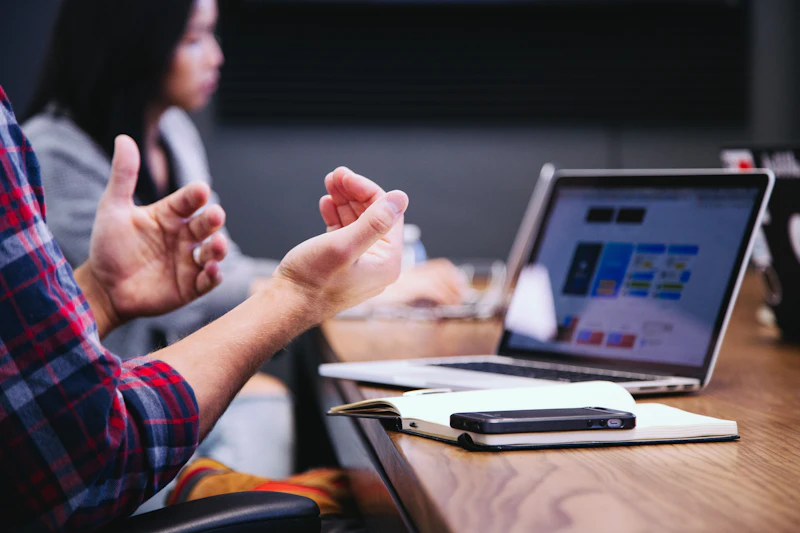
Digital devices are designed to keep us connected, which means they are inherently designed to distract us. A laptop open during a brainstorming session is an invitation to check email, view a sudden alert, or jump into a browser tab. A notebook, by contrast, is a single-purpose tool. It does not ping, buzz, or demand your attention. By removing the digital interface, you lower your cognitive load and allow your mind to focus entirely on the task at hand.
Designing a space that encourages focus
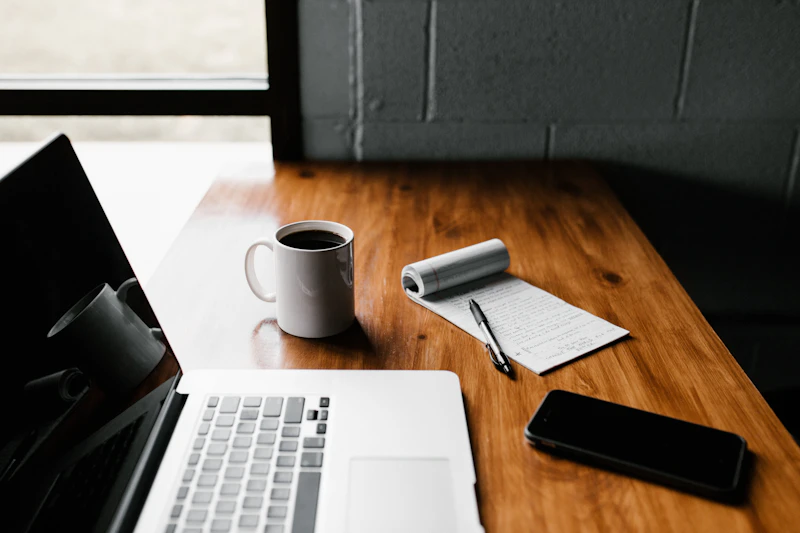
An effective workspace should be a sanctuary for the mind, not a cluttered storage unit for gadgets. The Art Analog Workspace is built on the philosophy that your environment should reflect the state of mind you wish to inhabit. By curating your desk with high-quality, tactile instruments, you signal to your brain that it is time to shift into a productive, intentional gear.
The importance of high-quality materials
There is a distinct pleasure in using tools that feel substantial. A heavy brass pen, a thick paper notebook with toothy texture, or a wooden desk organizer can make the act of working feel grounded. When you invest in materials that age well, you create a sense of permanence in your workspace. This durability stands in stark contrast to the disposable, planned-obsolescence culture of modern consumer electronics.
Managing the clutter of physical tools
While tactile tools are essential, they can lead to clutter if not managed properly. The goal of an analog setup is to minimize friction, not to create a chaotic pile of stationery. Keep only the tools you use daily within arm’s reach. Use trays or desk mats to define specific zones for your writing, sketching, and planning, ensuring that every object has a designated home.
The ritual of the analog transition
Transitioning from a digital workday to an analog planning session can act as a mental reset. Many successful people use the final hour of their day to step away from the screen and map out the next day in a physical planner. This ritual serves two purposes: it offloads the stress of tomorrow from your working memory and provides a clear roadmap for when you return to your desk.
Planning without the ping of notifications
When you plan your day on paper, you are not tempted to rearrange tasks based on incoming emails. You are looking at the big picture of your priorities. By writing down your top three goals for the following day, you create a psychological commitment that is harder to break than a digital to-do list that can be easily edited or ignored.
The satisfaction of checking off physical tasks
There is a unique, visceral satisfaction in physically crossing off a completed task. Digital checklists are functional, but they often feel transient. A physical list, marked with ink, provides a visible record of your progress throughout the day. At the end of the week, looking back at a page filled with crossed-out lines provides a tangible sense of accomplishment that a cleared digital screen simply cannot replicate.
Balancing the digital and the physical
The modern professional must exist in both worlds. We rely on the speed and connectivity of the internet to collaborate and share information, but we rely on the depth and focus of analog tools to do our best thinking. The key is to recognize which tasks require digital efficiency and which require analog depth.
Choosing the right tool for the right task
Use your computer for communication, research, and data management. These tasks benefit from the speed of the digital world. Use your analog tools for ideation, problem-solving, and long-form writing. By separating these workflows, you ensure that you are using the right instrument for the specific cognitive demand of the moment.
Creating a hybrid workflow
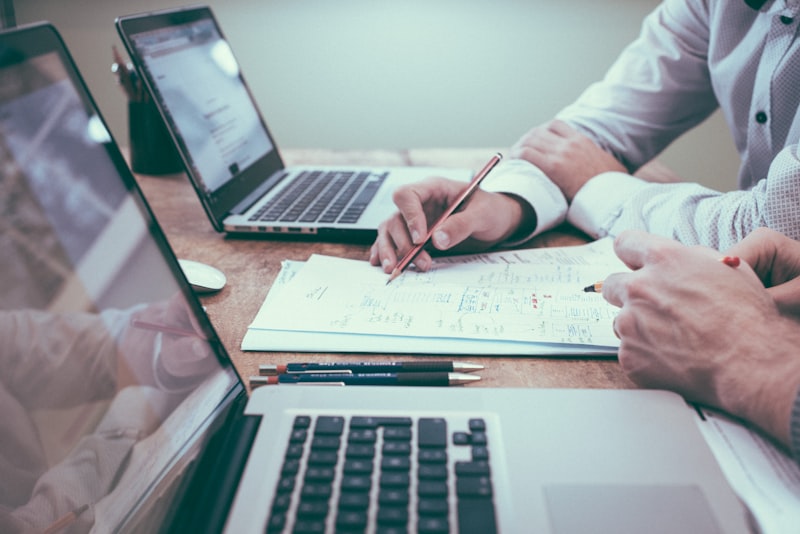
You do not need to choose one over the other. Many people find success by sketching ideas in a notebook and then transcribing the best concepts into a digital document for final editing. This hybrid approach captures the creative sparks of the analog process while utilizing the organizational power of software. It is a way to bridge the gap between creative spontaneity and practical execution.
Why the tactile experience persists
As artificial intelligence and automated systems become more prevalent, the value of human-centric, tactile work will only increase. We are biologically wired to interact with the world through our hands. When we use tools that respond to our touch, we feel more connected to the work we are producing. The Art Analog Workspace is not about nostalgia for a bygone era; it is about acknowledging our nature as physical beings who think best when we are grounded in the real world.
The permanence of paper
In a world where digital files can be corrupted, lost, or rendered unreadable by software updates, paper remains remarkably stable. A notebook from ten years ago is just as readable today as it was the day it was written. This permanence encourages us to take our notes more seriously, knowing that they are a record of our thoughts that will endure.
Cultivating patience in a fast-paced world
Perhaps the greatest gift of an analog practice is the patience it teaches. We live in a world that demands instant results, but meaningful work rarely happens instantly. By slowing down to write, sketch, or plan by hand, we embrace the rhythm of our own thoughts. We learn to appreciate the process as much as the result, which is the hallmark of true craftsmanship.
The Art Analog Workspace is a personal journey rather than a rigid set of rules. It is about identifying the tools that help you think more clearly and bringing them into your daily life. Whether it is a fountain pen that writes with perfect flow or a simple graph-paper notebook that holds your complex ideas, these items serve as anchors in a chaotic digital storm. By intentionally choosing to engage with the physical world, you can cultivate a level of focus and fulfillment that is increasingly rare in our modern landscape. Start small, pick a tool that feels right in your hand, and observe how your relationship with your work begins to change.